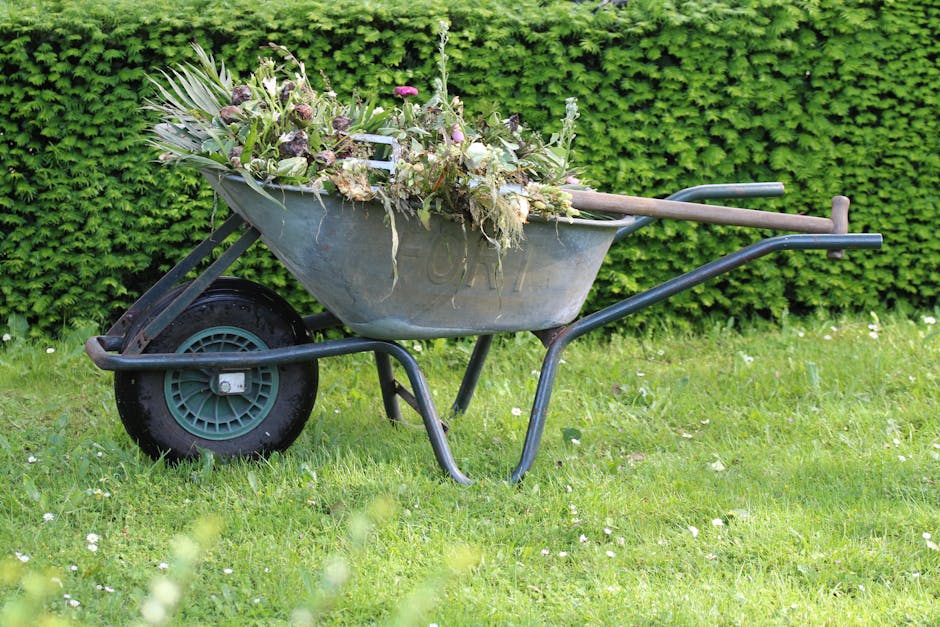
Commercial garden maintenance for Chigwell shops and offices
If you run a shop, office, clinic, showroom, or managed commercial premises in Chigwell, the outside space speaks before anyone does. A neat frontage, clipped hedges, tidy beds, and a clean entrance make the whole place feel looked after. Commercial garden maintenance for Chigwell shops and offices is really about that first impression, but it also goes deeper: safety, consistency, compliance, and the everyday reality of keeping an exterior presentable through rain, frost, leaf fall, and the odd windy week that seems to arrive out of nowhere.
Truth be told, many commercial sites don't need dramatic landscaping. They need dependable upkeep. The kind that keeps paths clear, grass even, shrubs under control, and litter or green waste from building up. This guide breaks down how commercial garden maintenance works, what to expect, where the value sits, and how to choose the right approach for a business setting without overcomplicating it.
Table of Contents
- Why commercial garden maintenance matters
- How the maintenance process works
- Key benefits and practical advantages
- Who needs this and when it makes sense
- Step-by-step guidance
- Expert tips for better results
- Common mistakes to avoid
- Tools, resources and recommendations
- Law, compliance and best practice
- Options, methods and comparison
- Case study or real-world example
- Practical checklist
- Conclusion
- Frequently asked questions
Why Commercial garden maintenance for Chigwell shops and offices Matters
For a business, the outside area is part of the customer experience. If the hedge is overgrown, the frontage looks neglected, or the lawn is patchy and muddy, people notice before they even step inside. That can affect confidence, especially for shops and offices where trust and presentation matter. In a place like Chigwell, where many businesses balance local footfall, repeat visitors, and professional image, the exterior has a job to do.
There is also the practical side. Poorly maintained outdoor spaces can lead to slippery paths, blocked walkways, trip hazards, poor visibility, and areas that collect leaves, soil, or litter. None of that is dramatic on its own. Put together, though, it becomes a nuisance. And nuisance has a way of becoming a cost.
Commercial maintenance is different from domestic gardening because it has to work around opening hours, staff movement, customer access, and a higher standard of consistency. A shop entrance cannot look fine one week and chaotic the next. An office courtyard cannot be left for "when we get a spare minute" if that means six weeks later. It simply needs a plan.
For some properties, the garden is small but important: a few planters, a short boundary hedge, a strip of grass, and a frontage that needs regular mowing. For others, it is a larger shared setting with shrubs, beds, trees, paved access, and service areas. Either way, the aim is the same: keep the space controlled, attractive, and safe.
How Commercial garden maintenance for Chigwell shops and offices Works
Commercial garden maintenance usually begins with a site review. This is where the space is assessed for size, condition, access, seasonal needs, and any visible issues that need quick attention. A good contractor will not just look at the grass. They will look at the whole picture: edges, hedges, flower beds, hard surfaces, drainage hotspots, trees, and how people actually move through the space.
From there, the work is typically set into a routine. That might mean weekly visits during the growing season, fortnightly or monthly attention in quieter periods, or a flexible plan that changes with weather and site use. In our experience, businesses usually get the best results when the schedule reflects how the property is used rather than following a rigid template.
Typical tasks can include:
- lawn mowing and edging
- hedge trimming and shaping
- weed control in beds, borders, and paved areas
- leaf clearance and seasonal tidy-ups
- pruning shrubs and controlled growth management
- clearing green waste and litter from outdoor areas
- checking for overhanging branches, blocked access, or sightline issues
For larger or more neglected sites, the work may begin with a one-off tidy-up or garden clearance before a regular maintenance routine starts. That is often the smartest move. Get the site back to a workable baseline first, then keep it there.
Some businesses also need occasional support beyond routine upkeep. A tired paved area, unsafe slope, or scruffy boundary may require broader work through landscaping or landscape gardening. If trees are becoming a problem around access routes or signage, a separate tree inspection and controlled reduction may be needed. The point is simple: maintenance works best when it is matched to the actual site, not just to a generic checklist.
Key Benefits and Practical Advantages
The biggest benefit is obvious: the place looks better. But there are several other advantages that matter just as much, especially for commercial settings.
- Better first impressions: a cared-for frontage feels professional and reassuring.
- Reduced safety risks: regular upkeep helps keep paths, entrances, and steps clear.
- Less reactive work: small issues are handled before they become ugly, awkward, or expensive.
- More predictable budgeting: planned maintenance is usually easier to manage than repeated emergency callouts.
- Improved staff experience: people prefer arriving at a tidy, pleasant workplace. Sounds obvious, but it matters.
- Better seasonal control: spring growth, summer weeds, autumn leaves, and winter debris all need different responses.
There is also a subtle commercial benefit that gets missed quite often: a neat outside space supports the rest of the business. An office that looks organised before a meeting starts feeling organised. A shop with a clean forecourt feels easier to enter. Customers and staff read those cues quickly.
Another practical upside is continuity. When the same maintenance pattern is repeated over time, plants stay healthier, lawns become easier to manage, and hedges hold shape more cleanly. You stop fighting the garden. That alone is worth something.
Who This Is For and When It Makes Sense
This kind of service suits a wide range of commercial properties in Chigwell. It is not only for large business parks or corporate offices with landscaped grounds. In fact, smaller sites often benefit just as much, maybe more, because they have less room to hide untidy edges.
Commercial garden maintenance makes sense for:
- shops with front planters, pavements, or small display gardens
- offices with courtyards, boundary hedges, or staff outdoor spaces
- medical practices and clinics that need a calm, clean exterior
- restaurants, cafes, and hospitality businesses with customer-facing frontage
- estate-managed premises and multi-unit commercial buildings
- businesses that have recently inherited an overgrown site
It also makes sense when the team on-site is busy enough already. Let's face it, most staff members have jobs to do that are not mowing grass at 8:30 in the morning. If the garden is being "managed" by whoever has five spare minutes, the result is usually patchy and slightly stressful. Not disastrous, just annoying.
If your site has a mix of hard and soft landscaping, maintenance may need to sit alongside related services such as lawn mowing, hedge trimming, or periodic improvements through landscaping. For businesses that want a clearer overview of what is available, the services overview is a sensible place to start.
Step-by-Step Guidance
If you are setting up commercial garden maintenance for the first time, the process is more straightforward than people expect. The main thing is to be clear about the site, the standard you want, and the regularity that will keep everything under control.
- Walk the site properly. Do not just look from the doorway. Check the sides, rear access, skips, service entrances, and any places that people rarely notice until there is a problem.
- List the priorities. For example: keep the entrance spotless, maintain hedges monthly, remove weeds from the forecourt, and keep the lawn short during peak growing months.
- Separate routine work from one-off work. A clearance job, tree issue, or major redesign should be treated differently from regular upkeep.
- Choose a realistic schedule. Weekly, fortnightly, or monthly can all work depending on the site. The wrong schedule is worse than no schedule at all.
- Set access and timing rules. Morning visits may suit some offices; later hours may be better for shops with heavy footfall.
- Agree what happens with waste. Green waste, cuttings, and debris should be removed responsibly and not left for someone else to sort out.
- Review the results. After a few visits, check what is working. A good maintenance plan gets sharper over time.
A useful trick is to think in seasons. Spring growth is fast. Summer needs neatness. Autumn creates leaf fall and slippery surfaces. Winter brings less growth but more grit, damp, and the occasional branch issue after bad weather. A maintenance plan that ignores the seasons is usually the one that ends up causing headaches.
Expert Tips for Better Results
One of the best ways to improve outcomes is to be clear about standards from the start. "Keep it tidy" sounds reasonable, but it is too vague in practice. Tidy how? Who trims the boundary hedge? What happens when weeds appear between paving slabs? Clarity saves time.
Here are a few practical tips that make a real difference:
- Use a site-specific schedule. A shopfront and a larger office courtyard do not need the same treatment.
- Keep high-visibility areas first in line. Entrances, windows, signage, and customer routes should get the most consistent attention.
- Do a seasonal deep tidy. Even a well-run site benefits from a more thorough reset now and then.
- Ask for photos if you manage remotely. They help you verify what has been done without needing to be on site every time.
- Use maintenance to spot problems early. A small drainage issue or dead shrub is easier to fix before it spreads.
Another thing: avoid letting the work become invisible. If the same person or team attends regularly, they will start spotting patterns. Maybe one corner always gets waterlogged. Maybe a hedge near the road grows faster than expected because of extra light. Maybe the customer side entrance collects litter after delivery days. That sort of local knowledge is gold.
And yes, sometimes a tiny job needs a surprisingly careful approach. A neat edge along a paved entrance can make a bigger visual difference than a whole hour of sweeping. Funny how that works.
Common Mistakes to Avoid
The biggest mistake is waiting too long. Businesses often assume maintenance can be done "when things calm down," but commercial sites rarely calm down on their own. By the time the hedge is blocking sightlines or weeds are spreading across paving, the job has become harder and less efficient.
Other common mistakes include:
- Choosing the cheapest option without checking what is included. Low headline prices can hide weak service scope.
- Mixing emergency tidy-ups with routine care. They are not the same thing, and the site pays for that confusion.
- Ignoring access and timing. A maintenance visit that interrupts customers is not a success, however tidy the lawn ends up.
- Skipping waste removal. Cuttings left behind can make a site look unfinished very quickly.
- Forgetting about hedges and edges. A freshly cut lawn can still look messy if the boundaries are rough.
There is also a quiet but important mistake: not asking how the contractor handles safety and insurance. On a commercial site, that matters. More on that below, because it really should not be an afterthought.
Tools, Resources and Recommendations
The right tools depend on the site, but commercial maintenance is usually built around reliable, efficient equipment rather than anything flashy. The key is neat results and safe working practices. For a typical shop or office site, that may include professional mowers, strimmers, hedge cutters, hand tools for detailed edging, and clearance equipment for waste collection.
From a business-owner perspective, the most useful resources are not gadgets. They are systems. A simple site log, photo record, or maintenance calendar can be far more valuable than another piece of kit. If you know what was done, when it was done, and what still needs attention, management becomes easier. Simple as that.
It can also help to have:
- a basic site map showing access points and priority areas
- a list of areas that should not be disturbed, such as signage planting or sensitive boundaries
- agreed contact details for authorising extra work
- notes on opening hours, deliveries, or visitor peaks
- an agreed method for handling waste and cuttings
If you are comparing providers, useful pages to review include pricing and quotes, the company's about us information, and their approach to recycling and sustainability. Those pages can tell you a lot about how a service is run, not just what it says on the tin.
Law, Compliance, Standards, or Best Practice
Commercial garden maintenance in the UK is not usually about complicated legal theory, but it does sit alongside sensible duties of care. Businesses are generally expected to keep access routes reasonably safe, manage obvious hazards, and avoid creating preventable risks for visitors, staff, and contractors. That is the broad principle, and it is the one that matters most in day-to-day life.
In practical terms, that means thinking about:
- slippery leaves on paths and entrances
- overgrown planting that narrows access
- trip hazards from uneven edging or debris
- visibility around gates, corners, and vehicle routes
- safe handling of tools, waste, and cut branches
It is also sensible to work with a provider that takes insurance and site safety seriously. A commercial garden job may look straightforward, but ladders, power tools, wet surfaces, and public access all increase the need for care. If you want to understand how a provider frames that side of the work, insurance and safety and the health and safety policy are worth checking.
For businesses concerned about ethical operations and waste handling, it can also be useful to review modern slavery statement and recycling and sustainability. Those pages do not make the gardening prettier, obviously, but they do help with trust and accountability.
There is no need to overstate the legal side. Just keep it simple: manage risks, choose properly insured help, and do not let the outdoor area become a hazard because everyone assumed someone else would handle it. That happens more often than people admit.
Options, Methods, or Comparison Table
Businesses usually have three broad approaches to commercial garden care. Each can work, but the right choice depends on how visible the site is, how much growth it gets, and how much internal time you can realistically spare.
| Approach | Best for | Strengths | Limitations |
|---|---|---|---|
| Ad hoc tidy-ups | Very small sites or occasional reset work | Flexible, simple, useful for one-off problems | Can become inconsistent; reactive rather than planned |
| Routine maintenance visits | Most shops and offices | Reliable, predictable, keeps standards steady | Needs a clear schedule and agreed scope |
| Maintenance plus periodic improvements | Sites that need upkeep and occasional upgrades | Balances day-to-day care with longer-term improvements | Requires slightly more planning and coordination |
For many Chigwell businesses, the second or third option makes the most sense. A site with regular visitors cannot afford to drift between "fine" and "a bit of a state." It wants routine, with occasional sharper work when needed.
If your grounds are more established or need visual refreshment, combining maintenance with selective work from landscape gardening can be a sensible route. And if you are dealing with tangled borders, awkward planting, or tired outdoor areas, a broader service overview helps you match the method to the site rather than guessing.
Case Study or Real-World Example
Imagine a small office building in Chigwell with a narrow frontage, a hedge along the boundary, and a shared side path used by staff and deliveries. On paper, it is not a large garden. In reality, it is one of those spaces that can look great or neglected in a matter of weeks.
The site starts with a one-off reset: the hedge is cut back to restore shape, the path edges are cleared, weeds are removed from cracks, and the lawn is brought back to a manageable height. After that, the business agrees a maintenance pattern that fits its use, with lighter visits during slower months and more frequent attention in spring and summer.
What changes? The entrance looks calmer. Staff stop stepping around loose cuttings. Deliveries are easier because the access route stays clear. And the manager no longer has to wonder whether someone has remembered the outside area this week. That last point is small, but let's be honest, small sources of admin stress add up.
The site does not suddenly become a show garden. Nor should it. It just becomes reliable, tidy, and suitable for a business environment. That is usually the real goal.
Practical Checklist
Use this checklist if you are reviewing or setting up commercial garden maintenance for a shop or office.
- Identify all outdoor areas, including front, side, rear, and service access points.
- Decide which areas are customer-facing and need the highest presentation standard.
- Note any safety issues such as slippery surfaces, poor visibility, or narrow access.
- Choose whether you need routine maintenance, one-off clearance, or both.
- Agree how often the site should be visited across different seasons.
- Confirm how green waste and debris will be removed.
- Check that insurance, safety procedures, and site access arrangements are clear.
- Ask for a simple scope of work so expectations are aligned.
- Review the site after the first few visits and adjust if needed.
- Keep a record of what is working and what still needs attention.
Expert summary: the best commercial garden maintenance is the kind you barely have to think about. It keeps the site neat, prevents small issues from becoming obvious problems, and fits the rhythm of the business without getting in the way.
Get a free quote today and see how much you can save.
Conclusion
Commercial garden maintenance for Chigwell shops and offices is not just a cosmetic extra. It is part of how a property presents itself, how safely it functions, and how much attention it needs from the people running it. A tidy frontage, well-kept hedges, manageable planting, and clean access points all send the same message: this place is cared for.
The strongest maintenance plans are practical rather than flashy. They fit the site, follow the seasons, and prevent the small problems that quietly become bigger ones. If you get that part right, the outside space stops being a worry and starts being an asset. Not a dramatic one, just a steady, reassuring one. And that counts for a lot.
When the exterior feels under control, everything else tends to breathe a little easier.
Frequently Asked Questions
What does commercial garden maintenance usually include?
It usually includes mowing, hedge trimming, weeding, edging, leaf clearance, light pruning, and general tidying of outdoor areas. The exact scope depends on the site and how often it needs attention.
How often should a shop or office garden be maintained?
That depends on growth, footfall, and season. Many sites need weekly or fortnightly care during the growing season, then less frequent visits in winter. A good plan follows the site, not a fixed habit.
Is commercial garden maintenance different from domestic gardening?
Yes. Commercial work usually needs more consistency, better timing around business hours, clearer safety awareness, and a stronger focus on presentation. Customers and staff notice different things from homeowners too.
What if the site is badly overgrown already?
In that case, a one-off clearance is often the best start before regular maintenance begins. Otherwise the routine work can feel like trying to mop up before the sink is turned off.
Can maintenance be done outside business hours?
Often, yes. Timing can usually be arranged to reduce disruption, especially for offices and customer-facing premises. It is worth discussing access, deliveries, and opening patterns early on.
Do commercial garden contractors remove waste?
They usually should, but always confirm this in advance. Green waste, cuttings, and debris should not be left behind unless that has been clearly agreed.
What should I look for in a maintenance provider?
Look for clear communication, relevant experience, insurance, sensible safety practices, and a maintenance plan that suits your site. A provider who asks good questions up front is usually a positive sign.
How do I know whether I need maintenance or landscaping?
If the site mainly needs regular tidying, maintenance is the right fit. If you are changing layout, repairing tired areas, or improving the look and function of the space, broader landscaping may be needed as well.
Is hedge trimming part of commercial maintenance?
Very often, yes. Hedges can quickly become untidy or obstructive on business premises, so keeping them under control is a common part of the job.
What are the biggest mistakes businesses make with outdoor areas?
The biggest mistakes are waiting too long, not agreeing a clear scope, and treating the outside space as an afterthought. That usually leads to reactive work, higher stress, and a less professional appearance.
How do pricing and quotes usually work for commercial garden care?
Quotes are typically based on site size, frequency, access, condition, and the type of work needed. A clear site visit or detailed discussion makes pricing much more accurate than a rough guess.
Why does sustainability matter in garden maintenance?
It matters because waste handling, recycling, and sensible material use are part of responsible site management. Many businesses also want their contractors to reflect the same standards they expect elsewhere.
Where can I find more information about related services?
A useful starting point is the garden maintenance page, along with lawn mowing, hedge trimming, and garden clearance for one-off resets or deeper tidying work.