Gardeners Chigwell: Recycling and Sustainability for Local Green Spaces
 Gardeners Chigwell are committed to creating an eco-friendly waste disposal area and a thriving sustainable rubbish gardening area across home gardens, communal spaces and small commercial sites. Our approach balances practical garden waste management with ambitious environmental goals, ensuring that every green cut, soil spoil and timber offcut is handled responsibly.
We set a clear recycling percentage target for our operations: a 65% diversion rate from landfill by 2028 through reuse, composting and materials recovery. This target guides our daily work and fleet planning — from routing low-emission vans to segregating materials on-site — and is reviewed annually to stay aligned with local policy and best practice.
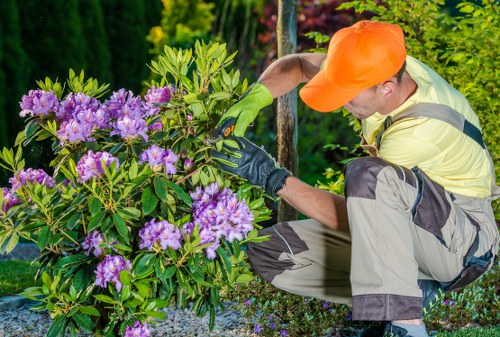 Our services for Gardeners in Chigwell emphasise source separation that mirrors neighbouring boroughs' systems: mixed food and compostable collections, garden-only green waste streams, and co-mingled dry recycling where appropriate. We liaise with local authorities to incorporate borough-level waste separation rules so that Chigwell gardeners get compliant, efficient recycling outcomes.
Practical Eco-friendly Waste Disposal Area Solutions
On-site segregation is the foundation of a successful eco friendly waste disposal area. Our crews operate dedicated bins and roll containers for green waste, wood, soil, inert materials and recyclable packaging. Where space allows we install temporary compost bays and wood-chip stacking areas to reduce transport needs and increase local reuse.
We also prioritise partnerships with local transfer stations and civic amenity points to keep carbon miles low. Rather than long journeys to distant facilities, we route loads to nearby transfer stations and household recycling centres operated by Essex and adjacent London boroughs, which accept garden waste, timber and inert materials for processing.
 To support circular practice, our teams label and sort materials for onward processing: clean wood for chipping and biomass, green waste for windrow composting, and soil that meets standards for reuse. This separation improves recovery rates and directly contributes to our recycling percentage target while creating useful end-products for local landscapers and allotments.
Partnerships with Charities and Community Projects
We maintain active collaborations with a range of community organisations and charities to ensure surplus materials find social value. Examples include donating clean timber and pallets to community build projects, providing leaf mould and compost to local allotment groups, and supplying woodchip paths for conservation volunteers.
Our charitable partnerships benefit biodiversity and local social enterprises: volunteers receive materials for habitat work, community gardens get compost and mulch, and social projects gain low-cost raw materials — a direct embodiment of sustainable rubbish gardening area principles in action.
Key activities supported through these relationships include:
- Donations of chipped wood for community paths and mulching
- Supplying compost and leaf mould to allotment schemes
- Rehoming reclaimed stone, brick and timber to social enterprises
Low-carbon Vans and Fleet Choices
![A smiling man and woman gardening together in a lush outdoor garden space, with vibrant pink and white flowering shrubs in the foreground and background. The man, dressed in a light grey jacket, and the woman, wearing a coral sweater, are kneeling on the grass and appear to be planting or pruning the flowering bushes. The garden features a well-maintained lawn with dense, green hedges and trees in the distance, under natural daylight with slightly overcast weather. This scene illustrates careful outdoor maintenance, landscaping, and gardening activities typical of residential gardens in Chigwell, highlighting natural tones of green plants and colorful blossoms. Such detailed garden care supports sustainable and eco-friendly outdoor spaces, aligning with the gardening services offered by Gardeners Chigwell at [PAGE_URL].](/pub/_photos/gardening/f3382984704.jpg) We operate a mixed fleet tailored to different job profiles, prioritising electric vans for urban collections and hybrid or Euro 6 low-emission vehicles for heavier loads. This reduces our operational carbon footprint and improves air quality locally — a practical step for responsible Chigwell gardeners and businesses wanting greener contractors.
We operate a mixed fleet tailored to different job profiles, prioritising electric vans for urban collections and hybrid or Euro 6 low-emission vehicles for heavier loads. This reduces our operational carbon footprint and improves air quality locally — a practical step for responsible Chigwell gardeners and businesses wanting greener contractors.
Route optimisation software and consolidated drop-offs at local transfer stations or community hubs further reduce mileage. Where electric vehicles are not yet practical, we use sustainably sourced biofuels and maintain strict idling policies to minimise emissions.
 Monitoring and reporting are part of our sustainability practice: we track tonnes diverted, vehicle miles, fuel type and recycling rates to ensure continuous improvement. Our goal is transparent progress toward that 65% recycling target while supporting a resilient, local circular economy.
How We Work with Local Waste Management Policies
We align our methods with the approaches used by neighbouring boroughs and county councils: encouraging residents to separate food and garden waste, promoting kerbside green collections where available, and diverting clean construction and garden materials to authorised facilities. This coordination reduces contamination and increases the value of recovered materials.
By reflecting municipal waste separation schemes in our workflows, Gardeners Chigwell helps clients comply with local regulations and supports broader municipal recycling targets. We also provide clear on-site signage and colour-coded containers to make segregation intuitive and effective.
Working together with local authorities, charities and transfer stations, we foster a sustainable rubbish gardening area model that is practical, measurable and community-focused—making green space maintenance part of the solution to waste challenges, not part of the problem.
Commitment and Next Steps
Our long-term commitment is simple: reduce landfill dependency, cut operational emissions, and maximise reuse and recycling. Gardeners Chigwell will continue to report progress against our 65% recycling percentage target, deepen partnerships with local charities and transfer stations, and expand the low-carbon fleet as technology and funding allow.
Whether you manage a small garden or a larger green estate, adopting these principles creates a measurable positive environmental impact while supporting the local community — a true win-win for Chigwell and the surrounding towns.
Join us in making the local green sector more circular: better sorting, smarter van choices, stronger charity links and sensible use of nearby transfer stations mean healthier soils, cleaner air and more resilient community spaces.

